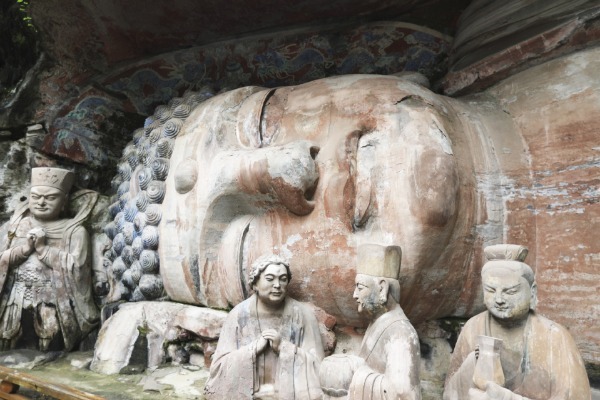
Rock Carving
Introduction
Rock carving is an ancient art form that involves the engraving or cutting of images into natural rock surfaces. These carvings are often referred to as petroglyphs and can be found worldwide, representing various cultures and historical periods. The practice of rock carving spans thousands of years and is a significant part of human cultural heritage. Notably, rock carvings serve as an essential medium through which ancient civilizations expressed their beliefs, values and artistic creativity.
The process traditionally involved the use of simple tools such as chisels and hammers to etch figures, symbols or patterns into rock faces, leaving behind lasting impressions that have withstood the test of time. Rock carvings are not merely artistic expressions; they document the lives, rituals and philosophies of past societies, offering valuable insights into the evolution of human thought and culture.
History
The history of rock carving dates back to prehistoric times, with some of the earliest known carvings estimated to be over 10,000 years old. These early carvings are often found in caves or on exposed rock faces and typically depict animals, human figures, or abstract geometric patterns. Over the centuries, rock carvings have been created across various regions and cultures, each reflecting local traditions, religious beliefs and social structures. The art form reached significant development during different historical periods, notably in the cultures of ancient civilizations such as those in Asia, the Middle East and Europe.
In China, rock carvings hold a prominent place in the history of grotto art, with notable examples being the Dazu Rock Carvings in Chongqing. These carvings, initiated during the Tang Dynasty (618-907) and continuing through the Song Dynasty (960-1279), exhibit a sophisticated blend of Buddhist, Taoist and Confucian elements, showcasing the rich cultural tapestry and religious syncretism of the time.
Techniques
Tools Used
The tools used for rock carving have evolved over time, originating from basic stone implements to more refined metal tools. In prehistoric times, carvers primarily used stone hammers and chisels to chip away at rock surfaces. As metallurgy advanced, bronze and iron tools became prevalent, providing carvers with more precision and the ability to work on finer details. These tools included chisels, hammers, and grinders, which allowed for greater control and intricacy in the carvings. Additionally, some cultures developed specialized tools to achieve specific artistic effects, such as pointed tools for creating detailed lines or flat chisels for smoothing surfaces. Over time, the improvement in tool-making technology significantly enhanced the quality and complexity of rock carvings, allowing artisans to produce more detailed and expressive works.
Methods
The methods employed in rock carving vary depending on the desired outcome and the nature of the rock being carved. The basic technique involves repeatedly striking the rock surface with tools to remove material and shape the desired image. This process can be time-consuming, requiring both skill and patience to achieve the intended result. Many carvers use a combination of techniques, including chiseling, grinding and polishing, to create different textures and effects. In some instances, carvers may also employ the use of abrasives such as sand to smooth and refine the carved surfaces. The choice of method often depends on the type of rock being used, as softer stones like sandstone or limestone allow for more detailed carvings, while harder stones like granite require more effort and precision. The mastery of these techniques is evident in the intricate details and expressive forms found in ancient rock carvings around the world.
Cultural Significance
Rock carvings hold immense cultural significance as they serve as a tangible connection to the past, reflecting the beliefs, rituals and social structures of ancient societies. These carvings often depict religious themes, mythological narratives and daily life activities, offering a glimpse into the spiritual and cultural life of the people who created them. In many cultures, rock carvings are considered sacred, serving as sites for worship, meditation or communal gatherings.
The integration of Buddhist, Taoist and Confucian elements in the Dazu Rock Carvings, for example, illustrates the harmonious coexistence of multiple religious traditions in China. Furthermore, rock carvings are valuable archaeological resources, providing insights into the technological advancements, artistic expressions and cross-cultural interactions of ancient civilizations. Their preservation and study continue to be crucial for understanding the historical development of human societies and their enduring legacy in the present day.
Notable Sites
Numerous notable rock carving sites around the world showcase the diversity and richness of this ancient art form. One of the most distinguished is the Dazu Rock Carvings in Chongqing. Dating from the 9th to 13th centuries, the Dazu carvings are a UNESCO World Heritage Site and exemplify the pinnacle of Chinese grotto art. They feature an extensive range of subjects, including Buddhist, Taoist and Confucian figures, as well as representations of daily life. Another significant site is the Mogao Caves in Dunhuang, Gansu province, which are famous for their intricate murals and sculptures, reflecting a fusion of cultural influences along the Silk Road.
Preservation and Conservation
The preservation and conservation of rock carvings are vital to safeguarding these irreplaceable cultural treasures for future generations. Many rock carving sites face threats from natural and human-induced factors, including weathering, pollution, tourism and vandalism. Conservation efforts often involve a combination of traditional and modern techniques to stabilize and restore the carvings, while ensuring minimal intervention to maintain their authenticity.
For instance, at the Dazu Rock Carvings, conservationists have implemented measures such as installing protective shelters, monitoring environmental conditions, and employing advanced technologies like 3D scanning to document and analyze the carvings. International collaboration and knowledge exchange are also crucial in addressing the challenges posed by climate change and developing effective conservation strategies. By prioritizing the preservation of rock carvings, we honor the artistic and cultural heritage of past civilizations and enrich our understanding of human history.
Contemporary Use
In contemporary times, rock carvings continue to inspire artists, scholars and cultural enthusiasts worldwide. They serve as a source of artistic inspiration, influencing modern art forms and fostering cross-cultural exchanges. Many rock carving sites are popular tourist destinations, attracting visitors who seek to appreciate their historical and artistic significance. This interest in rock carvings has also led to the development of educational programs and workshops that promote the study and appreciation of this ancient art form. Furthermore, the preservation and promotion of rock carvings contribute to cultural tourism, supporting local economies and communities. As a testament to human ingenuity and creativity, rock carvings remain a vital part of our shared cultural heritage, inviting ongoing exploration and interpretation.








